


Written by Sara Alcalá

It is well known how important it is to eat well during pregnancy. Everyone knows that when you are pregnant, nutrition is more important than ever. You have been told that you need more of many important nutrients than before pregnancy.
You easily become more aware of how your food choices every day will help give your baby what it needs to develop, and that’s great!!! But what about before you get pregnant?
Since around 50% of pregnancies are unplanned, it is helpful to work on developing good habits at an earlier stage, not only to increase your fertility, but it can also have a lifelong impact on your baby’s health and the rapid increase in the prevalence of metabolic, allergic, and chronic diseases.
A growing body of evidence shows that the first thousand days of a baby’s life provide a critical window of opportunity in which a healthy environment, in particular, diet and lifestyle can positively impact and influence lifelong health. Did you hear right?

What is Early Life Nutrition (ELN)?
ELN is the period from preconception to infancy, also known as the “first 1,000 days.” It traditionally refers to the 270 days of pregnancy (9 months), plus the first 2 years of a child’s life (730 days). However, recent research also shows that the health and lifestyle of the mother and father during the 6 months (180 days) before conceiving a baby is essential (after all, the egg and sperm will provide the genetic material for the developing fetus), actually leaving it up to 1180 days.
What is the Preconception Period?
The preconception period is 3 to 12 months before conception.
This preconception period is often defined as the 3 months before conception, possibly because this is the average time to conception for fertile couples. However, a period before conception can only be identified after a woman has become pregnant.
Currently, there is a lack of a clear definition of the attributes of the preconception population. Some definitions avoid this problem, for example, “a minimum of one year before the start of any unprotected sexual intercourse that could result in pregnancy.”
3 months before conceiving is a critical time, as the eggs are developing and maturing before ovulation (meiosis, which is the process in which the egg follicles become mature oocytes ready for ovulation, lasts approximately 3 months). Sperm development also affects the health of the embryo, as a complete sperm cycle lasts about 64 days, so, from a biological perspective, there is a critical period that encompasses the weeks prior to conception, when the gametes mature, fertilization occurs, and the developing embryo forms. These are the events most sensitive to environmental factors such as the availability of macro and micronutrients or exposure to smoking, alcohol, drugs, or other teratogens.

So yes, what you eat (future mom and dad) now will affect your egg and sperm production over a 3-month period, therefore potentially the health of your future baby! Don’t wait until you’re pregnant to focus on what you’re eating! Start your fertility eating plan now! Ideally, eat well for at least 3 months before conception.
In addition to the lack of a clear definition of the preconception time period from science-based evidence, I totally recommend that 6-12 months is ideal to help correct any nutritional deficiencies, as well as to optimize your lifestyle and weight for conception and pregnancy. I encourage you to talk to your GP to arrange a blood test to check your current nutritional status before trying to conceive and consult with your nutritionist or dietitian to help you get on the right track.
How Genetics and the Environment Can Affect your Baby’s Health:
Epigenetics is defined as “changes in gene function that do not involve changes in the DNA sequence” or, essentially, how the environment of a fetus (including nutrition) can affect the expression of a particular gene in the future.
Epigenetics is everywhere, in what you eat, where you live, who you interact with, when you sleep, how you exercise, even aging, all of this can eventually cause chemical modifications around the genes that will activate or deactivate those genes over time.
I like to use the following analogy to explain how epigenetics works:
“epigenetics doesn’t change the book, but it does change the way the book is read”.
It describes the heritable change in organisms caused by modification of gene expression rather than alteration of the genetic code itself.
There is some research showing that we now have the potential to modify which diseases can be avoided through gene expression, by activating and deactivating particular genes throughout a process called methylation and histone modification.
Methylation process: adds “tags” to human DNA that influence whether a gene is an activated or deactivated gene.
Histone modifications affect how tightly DNA wraps around histones (when histones are tightly wound, genes may not be accessible for activation).
As mentioned, epigenetic changes DO NOT ALTER the DNA sequence, but are heritable. At the time of conception, most of the epigenetic information is “erased” from the genome, however, some of these changes remain and are inherited, even across generations. Therefore, if the wrong genes are activated, when they are not meant to be, it can affect your baby’s health and even your baby’s baby. Mind-blowing, right?
The way you eat before and during pregnancy literally shapes your baby’s health, and not just in early childhood, but for the rest of their life.
Nutrition is one of the most easily modifiable environmental factors during the early years of life. It has been shown to influence fetal and postnatal growth and development, and the risk of metabolic and allergic diseases in childhood and adulthood.
A study in rats indicated that nutrient-poor diets during fetal development can lead to the activation of the stress pathway, which increases the possibility of obesity in rat pups (Ruijun et al., 2012).
Men aren’t any less important; remember that sperm carries 50% of your baby’s genetic material. Several recent studies have identified links between paternal nutrition, sperm quality, and reproductive outcomes in humans. Although human studies linking environmental effects and epigenetic alterations are limited and inherently challenging, many mouse models have been studied, shedding light on the importance of understanding the role of environmental factors in the father and future generations.
One study has shown that a man’s preconception health plays an important role in epigenetics (Day et al., 2016). Research (primarily in animals) has shown that paternal alcohol consumption has epigenetic effects on sperm DNA, suggesting a role in the development of congenital disorders in offspring and a higher prevalence of low birth weight (Day et al., 2016). The exact amount that may be implicated is not yet well understood; however, it is recommended that men do not exceed 2 standard drinks per day and aim for at least two alcohol-free days per week.
However, it should be noted that much more future research is needed in this space to better understand epigenetics in humans.
How Does your Weight Affect your Fertility?
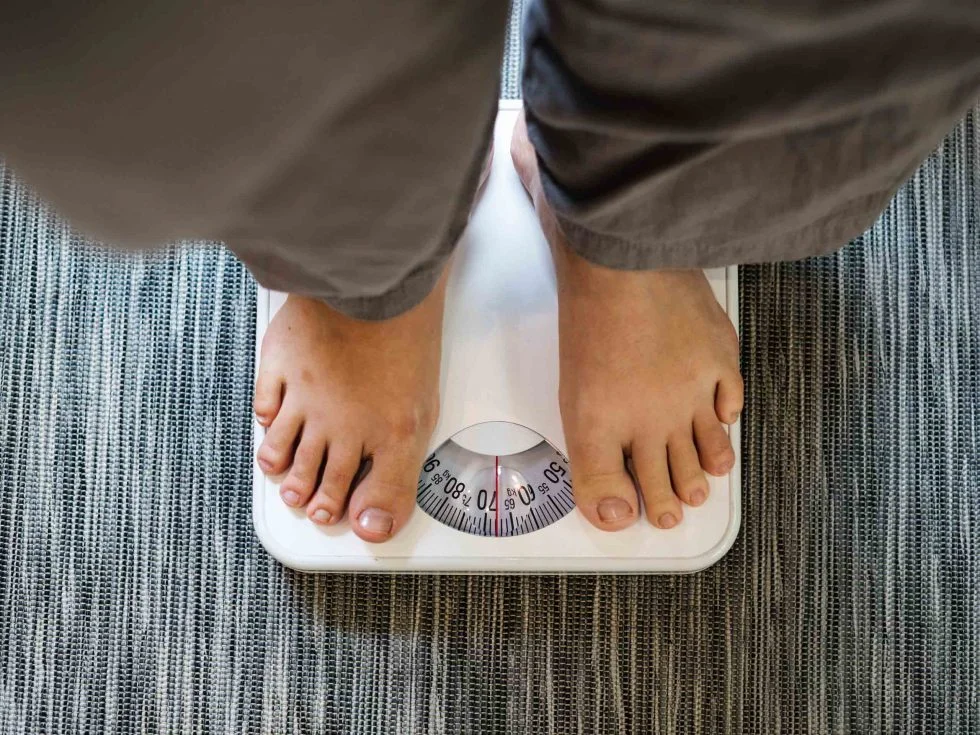
Both maternal underweight and overweight are associated with substantial risk to maternal and infant health. Therefore, maintaining a healthy weight in the 12 months prior to conception reduces the likelihood of your child being outside of their healthy weight range later in life. Recent research has indicated that a woman’s high BMI (body mass index) at the start of pregnancy is a strong predictor of her offspring’s risk of obesity in adulthood (Davies et al., 2016).
In addition, being above a healthy weight before pregnancy is also known to affect your fertility and the health of your eggs (human oocytes). One study (Ruebel, L.M. et al., 2020) found that overweight women undergoing fertility treatment had abnormal levels of fat and inflammation in the fluid surrounding their eggs, so they had “disorganized” DNA.
Similarly, being outside of your healthy weight range at the start of pregnancy has been associated with an increased risk of developing gestational diabetes, which in turn increases your baby’s risk of developing diabetes.
Hey!! It’s not all bad news, I know this can all be very overwhelming! But you can make a difference in your own and your baby’s health by making small but very effective lifestyle and nutrition changes.
A 10% weight loss before conception was shown to be associated with a clinically significant risk reduction in pregnancy-related conditions such as pre-eclampsia, gestational diabetes, preterm birth, macrosomia, and fetal death (Laura et al., 2015) (Stephenson et al., 2018).
I know, reading All Might feels a little nervous and terrified. However, emerging research is increasingly showing us that we need to raise awareness of the importance of health before pregnancy: pregnancy planning and adoption of interventions before conception are distinct but related requirements to improve preconception health and avoid these adverse outcomes in the future.
Talk to your prenatal and fertility dietitian for personalized and customized advice. There is no bad time to adopt nutrition and lifestyle changes and optimize your health. If there is a time in your life to make nutrition a priority, the time is NOW!
Future Health Outcomes for your Baby
Allergies, Asthma, and Eczema Prevention
Allergies in children are on the rise! Australia has one of the highest rates of food allergy in the world and there have been reports of more than 10% of 1-year-olds having a food allergy, 1 in 9 children having asthma, and 1 in 5 having eczema.
The increase in food allergies highlights the vulnerability of the developing immune system to early environmental exposure and how ELN has a substantial impact on its development.
Allergies arise from changes in the immune system. These alterations have been shown to be influenced by maternal nutrition. So yes!! The nutrition of future moms can influence the immune development and function of your baby.
What can be done to improve immune development before conception and throughout pregnancy? Some maternal nutritional changes have been associated with altered immune programming. These include:
Allergy Prevention Strategies:
- Consume all major allergens frequently during pregnancy and lactation: eggs, cow’s milk, fish, shellfish, peanuts, tree nuts, wheat, sesame, lupine, and soy (DO NOT take if you are allergic to them, of course!).
- Fish oil supplementation: studies have shown that increased omega-3 intake during pregnancy may have protective effects on childhood allergic diseases (Karen et al., 2015).
- Folic acid supplementation
- Adequate intake of prebiotic fiber: onions, garlic, cashews, peanuts, legumes and beans, and asparagus, among others: the maternal intestinal microbial environment is an emerging protective factor for allergy in babies.
- Probiotics for those women with a family history of allergies, asthma, or eczema.
Asthma Prevention Strategies:
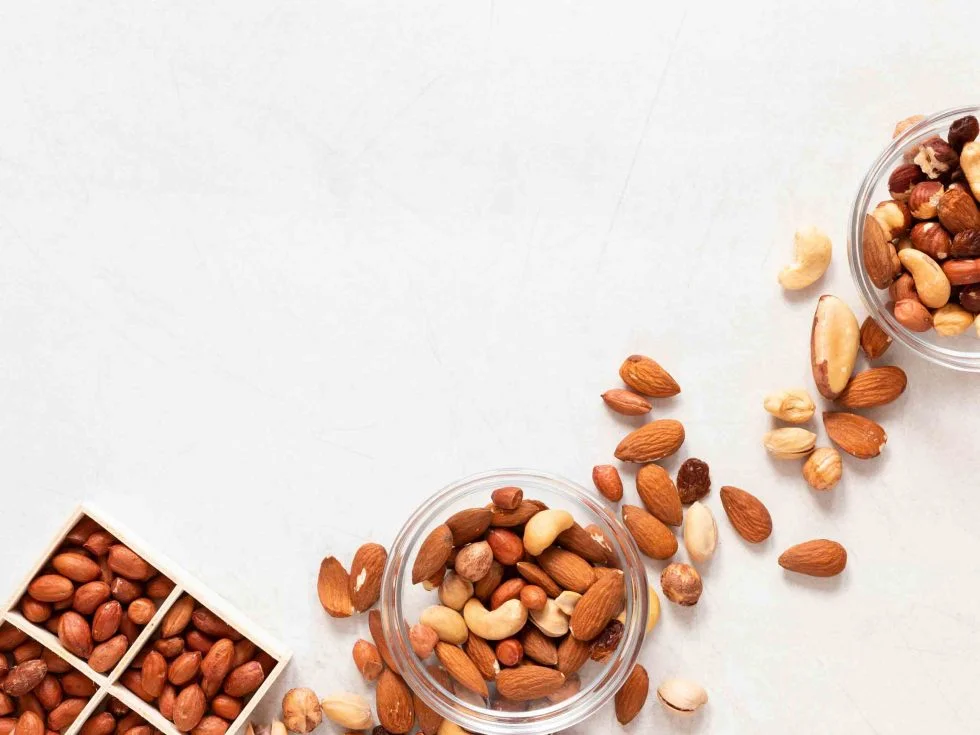
- Vitamin E: extra virgin olive oil and nuts
- Adequate antioxidant content: Studies suggest that a higher intake of foods rich in antioxidants, such as fresh fruits and vegetables, herbs, and spices, may reduce the risk of asthma and/or eczema in offspring.
- Not surprisingly, adapting a Mediterranean dietary pattern appears to protect against asthma.
Eczema Prevention Strategies:
- Adequate vitamin D status before conception and during pregnancy. Vitamin D insufficiency during pregnancy has been reported to be associated with an increased risk of eczema, asthma, and food allergy, but also with an increased risk of pre-eclampsia and small for gestational age infants (
Davies et al., 2016 ). Vitamin D deficiency in pregnancy had been described as a potential “threat” to the child and an indication of the perceived importance of vitamin D status during this time. - Prebiotics and probiotics: the maternal intestinal microbial environment is also emerging as a possible risk/protective factor for allergy in offspring, and maternal microbial transfer to the fetus is likely to begin during pregnancy. Therefore, a healthy balance of specific microorganisms in the gut is essential for healthy immune system development. As a result, the mother’s gut microbiome may play a role in the development of eczema in her baby. The use of soluble “prebiotic” fiber has been shown to have beneficial effects on both immune and metabolic homeostatic status. Supplementation with Lactobacillus rhamnosus GG is especially important if you have a family history of eczema.
Prevention of Obesity and Chronic Diseases
The global pandemic of obesity and type 2 diabetes is often linked to lifestyle changes, such as a high-calorie diet and reduced levels of physical activity. However, more recent evidence demonstrates that nutrition in early life (ELN) plays a key role in associated risk factors, such as satiety regulation, adipose tissue development, and metabolism (Mameli et al., 2016)
Both too low and too high body weight in mothers have been associated with an increased risk of chronic diseases in childhood and adulthood, such as obesity, as well as heart disease, stroke, and type 2 diabetes later in life.
Studies suggest that grieving mothers (who eat little or exercise excessively) or those with food deprivation during pregnancy condition their baby to be really good at retaining energy. The mechanism that links maternal weight during pregnancy to the risk of later disease in offspring involves a number of factors. Once the child is born, they tend to consume excessive energy because their hunger (fullness signals) has been altered during the first years of life (Davides et al., 2016).
A 2009 study of 1425 mother-child pairs investigated the association between pre-pregnancy obesity and offspring BMI in the first four years of life (Hu et al., 2019). The results highlighted that women with a higher BMI before pregnancy were significantly associated with a higher risk of higher BMI and rapid weight gain in the first four years of life. In addition to this, other emerging research shows that there is a correlation between pre-pregnancy BMI and the baby’s birth weight (Lima et al., 2018)
I know this may all seem a bit overwhelming right now, but believe me! With a personalized nutrition plan and expert advice, we can beat this! Think about it, how powerful is that, now that you know that what you eat now could prevent your baby from developing diabetes or struggling with obesity, or having chronic skin rashes later in life. Wouldn’t you do everything in your power to give your baby the best start in life and long-lasting health?
Are you planning to conceive in the next 3 to 12 months? Don’t know what to eat? Don’t know where to start? I help couples increase their fertility and give their baby the best possible start with the power of good food. Contact us to make an appointment.